How Power Banks Work: The Science Behind Portable Charging
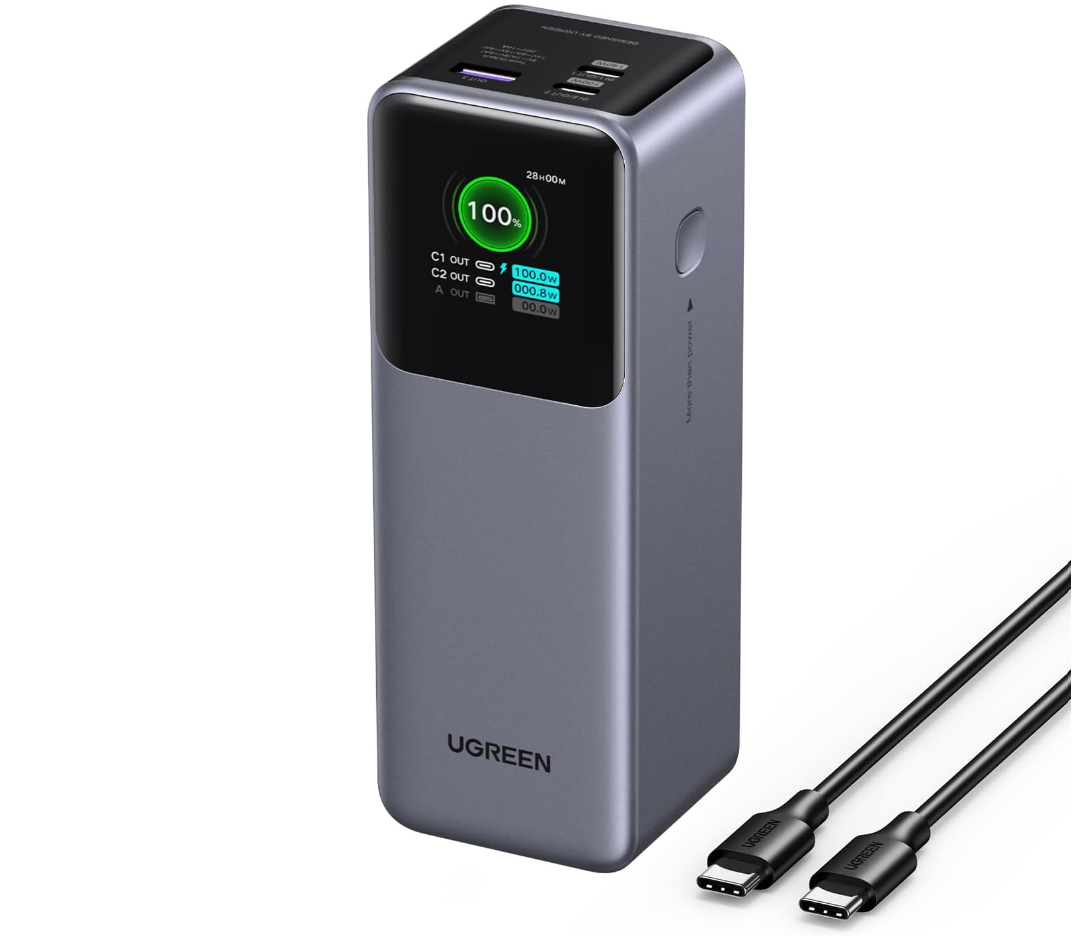
Power banks are portable devices designed to charge electronic gadgets on the go. At the core of their functionality lies a rechargeable battery, typically a lithium-ion or lithium-polymer cell, that stores energy. When you connect your device, the power bank releases this stored energy through its output ports. The charging process involves converting and regulating voltage, ensuring the correct power levels are delivered to your device. Understanding how power banks function helps you choose the right model based on your device’s requirements and battery capacity.
The science behind portable charging includes several key components: circuitry, output ports, and indicators. The circuitry manages the flow of electrical current, ensuring safe charging and preventing overheating. Output ports are designed to align with the charging technology of various devices, whether through USB-C, micro USB, or Lightning connectors. Many power banks also feature LED indicators that display the remaining battery life, allowing users to keep track of their available power. With this knowledge, you can maximize the efficiency and longevity of your power bank.
Counter-Strike is a popular team-based first-person shooter game that has captivated millions of players worldwide. With its emphasis on strategy, teamwork, and skill, players compete in various game modes, including bomb defusal and hostage rescue. If you’re looking to enhance your gaming experience, check out the Top 10 iphone air accessories that can improve your mobile gaming setup.
Top 5 Features to Look for in a Reliable Power Bank
When searching for the reliable power bank that best suits your needs, there are several key features to consider. The first and foremost is capacity, typically measured in milliampere-hours (mAh). A higher capacity means more charges for your devices. For example, a 10,000 mAh power bank can fully charge most smartphones at least two times, making it ideal for travelers or for use during long days away from an outlet.
Another crucial feature is portability. The ideal power bank should strike a balance between capacity and size. Look for models that are compact and lightweight, ensuring they easily fit in your pocket or bag without adding unnecessary bulk. Additionally, pay attention to output power. A power bank with multiple output ports and a higher output (measured in volts and amps) can charge devices faster and support multiple devices simultaneously. Lastly, always check if the power bank includes safety features like overcharge protection, which safeguards your devices from potential damage.
Power Bank Safety: What You Need to Know Before You Charge
When it comes to charging your devices on the go, power banks offer unparalleled convenience. However, before using one, it’s crucial to understand the safety measures involved. Always check for certifications, such as CE, FCC, or RoHS, which indicate that the device meets safety standards. Additionally, make sure to use the original charging cables and adapters that come with your power bank. Using incompatible accessories can lead to overheating or even damage to your devices.
Another important aspect of power bank safety is to avoid exposing the device to extreme temperatures. Keep your power bank away from direct sunlight and never leave it in places with high heat, such as inside a car. Overheating can cause the battery to swell or, in worst-case scenarios, explode. Lastly, regularly inspect your power bank for any signs of damage or wear, as this could compromise its performance and safety. By following these simple precautions, you can enjoy the benefits of a power bank while keeping your devices safe.