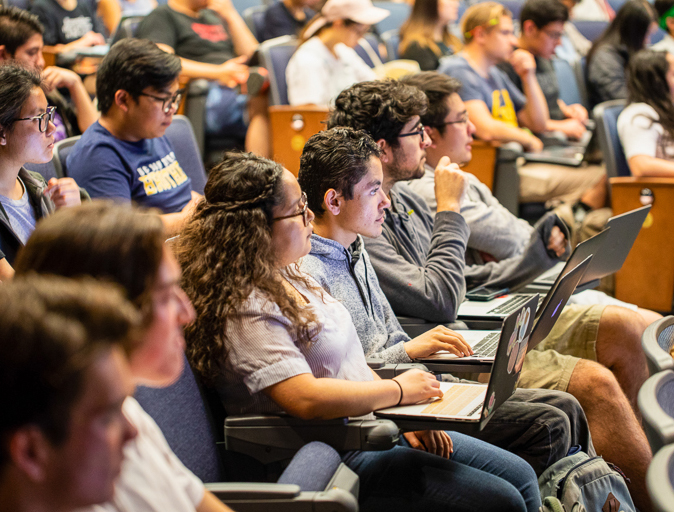
The Surprising Benefits of Group Projects: Unpacking the Student Experience
Group projects are often perceived as a necessary evil, but they offer surprising benefits that enhance the student experience in multiple ways. One of the most significant advantages is the development of essential collaboration skills. Working in a team context teaches students how to communicate effectively, navigate conflicts, and leverage diverse perspectives to reach a common goal. These skills not only prepare students for future careers but also instill a sense of community and shared responsibility, fostering friendships that can last beyond the classroom.
Additionally, group projects can significantly boost engagement and motivation among students. When individuals collaborate, they are more inclined to take ownership of their contributions and feel a stronger investment in the final outcome. This communal responsibility often leads to higher quality work and a more enriched learning environment. Studies have shown that students who engage in team-based projects tend to retain information better, as the process promotes active learning through discussion and peer feedback. Ultimately, embracing group projects can transform the academic experience into a more dynamic and enjoyable journey.
Counter-Strike is a popular tactical first-person shooter game that pits teams of terrorists against counter-terrorists in various mission scenarios. The game emphasizes teamwork and strategy, making it a favorite among competitive gamers. While enjoying a session of Counter-Strike, you might also want to check out the Top 10 iphone accessories for students to enhance your gaming experience.
From Collaboration to Camaraderie: Why Group Projects Are Secretly Enjoyable
Group projects often emerge as a daunting task, conjuring images of conflicting schedules and clashing personalities. However, beneath the surface, these collaborations can flourish into profound camaraderie. The process of working together fosters a unique environment where individuals combine their strengths and talents, creating a dynamic that is often more productive than solitary efforts. When team members share their ideas and innovate collectively, it not only enhances the project's outcome but also deepens interpersonal connections, transforming the experience from a mundane obligation into an enjoyable adventure.
Moreover, engaging in group projects allows for the development of vital skills that are crucial in both personal and professional realms. Participants learn the art of collaboration, negotiation, and compromise, which are invaluable assets in today's interconnected world. As each member contributes their unique perspective, the diverse exchange of thoughts sparks creativity, leading to unexpected solutions and breakthroughs. It’s this synergy that turns group tasks into enjoyable experiences, fostering a sense of belonging and mutual support that lasts beyond the classroom and into real-life scenarios.
Are Group Projects a Hidden Gem? Exploring Students' Unexpected Love for Teamwork
When we think of group projects, the usual complaints come to mind—the clash of personalities, unequal contributions, and the struggle to coordinate schedules. However, is it possible that these collaborative endeavors are a hidden gem in the educational landscape? Surprisingly, many students report an unexpected love for teamwork, as group projects can foster essential skills like communication, problem-solving, and time management. By working together, students can leverage each other's strengths, leading to enhanced creativity and innovative solutions that may not have emerged in isolation.
Moreover, teamwork in group projects often cultivates a sense of community and belonging among students. Engaging with peers in a collaborative setting encourages relationship-building and networking, which are invaluable in both academic and professional spheres. According to a survey conducted at several universities, 75% of students expressed that group projects helped them develop more confidence in sharing ideas and receiving constructive feedback. Therefore, while the idea of group projects may initially seem daunting, they can indeed be an unexpected treasure that enhances the overall learning experience.