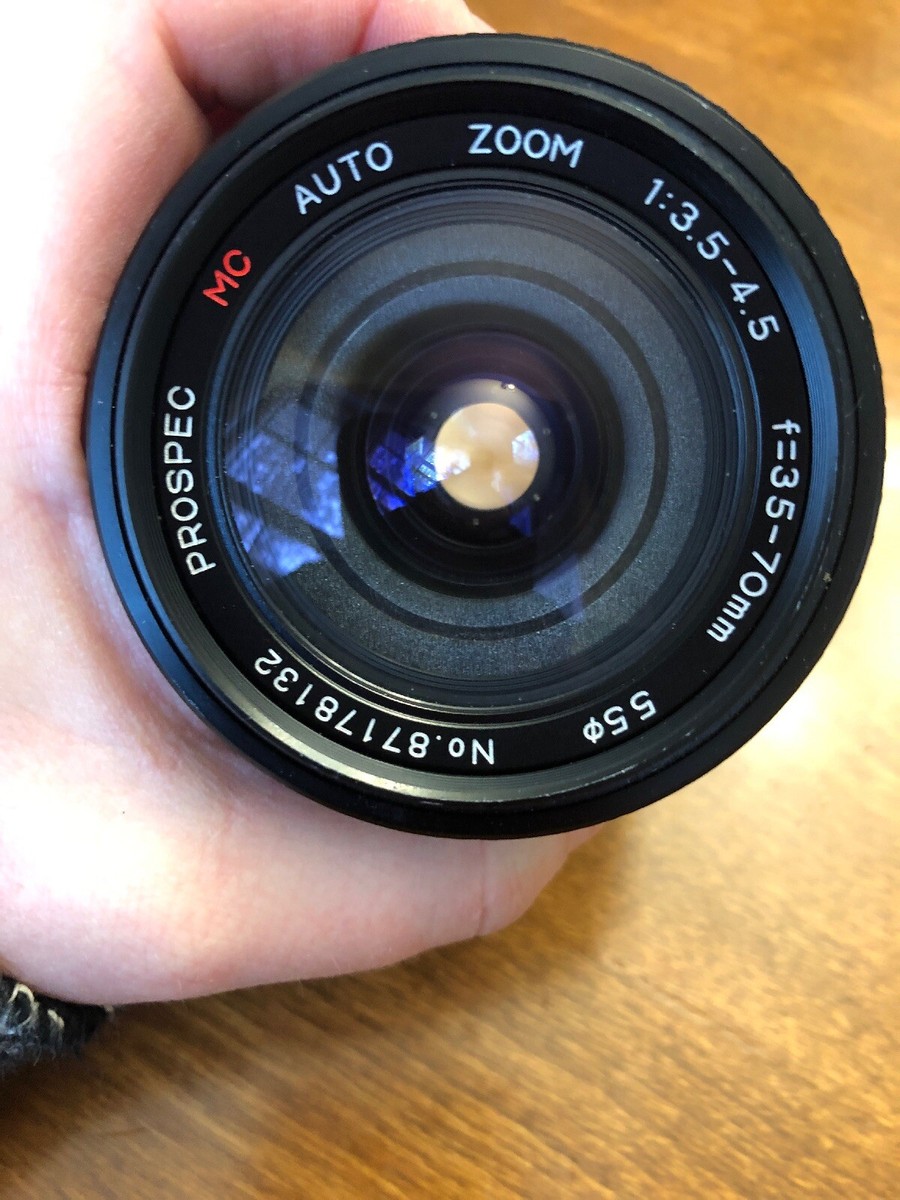
Unlocking the Secrets of Focal Length: What Every Photographer Should Know
Understanding focal length is essential for any photographer looking to master the art of photography. It refers to the distance between the lens and the image sensor when the subject is in focus, typically expressed in millimeters (mm). The choice of focal length impacts the composition and perspective of your images, influencing how subjects are framed and the depth of field achieved. For instance, a wide-angle lens (typically 24mm or less) can capture expansive landscapes, while a telephoto lens (such as 200mm or more) allows for great detail in distant subjects, making it ideal for wildlife or sports photography.
When selecting a lens, it's crucial to consider the focal length that meets your creative needs. Here are some key points to remember:
- 35mm or lower: Best for capturing wide scenes and group photos.
- 50mm: Provides a natural perspective, perfect for portraits and everyday shooting.
- 85mm to 135mm: Ideal for portrait photography, as it flatters facial features and provides good background blur.
- 200mm and above: Excellent for sports and wildlife, allowing photographers to get close to subjects from a distance.
By grasping the nuances of focal length, photographers can elevate their work and bring their vision to life, ensuring that every shot tells a compelling story.
Counter-Strike is a highly popular tactical first-person shooter game that pits teams of terrorists against counter-terrorists in various objective-based missions. Players can enhance their gameplay experience with various gaming peripherals, so be sure to check out the Top 10 iPhone accessories under 50 to optimize your setup.
The Magic Behind Focal Length: How It Shapes Your Perspective
The concept of focal length is pivotal in photography, shaping how we capture the world around us. Essentially, focal length refers to the distance between the lens and the image sensor when the subject is in focus, measured in millimeters (mm). This value greatly influences not just the perspective of the image, but also the depth of field and the overall composition. For instance, a shorter focal length, such as 18mm, provides a wider view, making it ideal for landscapes and architectural shots. In contrast, a longer focal length, like 200mm, compresses space and is perfect for portrait photography, allowing you to maintain a comfortable distance from your subject while achieving a beautiful bokeh.
Understanding the magic behind focal length can elevate your photography skills remarkably. When you grasp how different focal lengths impact perspective, you can make more intentional choices in your shooting process. Here are a few key effects of focal lengths:
- Wide-angle lenses (less than 24mm) expand the scene and exaggerate depth.
- Standard lenses (24mm to 70mm) provide a natural perspective, closely resembling human vision.
- Telephoto lenses (70mm and above) compress the image, focusing closely on the subject while blurring the background.
This knowledge allows you to manipulate your photos' narrative, drawing viewers' eyes to the most important elements within your frame.
Focal Length Fables: Common Misconceptions and Myths Explained
The world of photography is often shrouded in myths and misconceptions, especially when it comes to focal length. One of the most common beliefs is that a longer focal length always results in better image quality. However, this isn't entirely true. While longer focal lengths can compress backgrounds and create striking images, it's essential to consider other factors such as lens quality and aperture. Therefore, aspiring photographers should focus not only on the focal length but also on how these elements work together to achieve the desired outcome.
Another prevalent myth is that a specific focal length is best suited for a particular genre of photography. For example, many enthusiasts assume that only wide-angle lenses are suitable for landscapes. In reality, photographers can achieve stunning landscape images with various focal lengths, tailored to their artistic vision. The key is to experiment with different focal lengths to discover what works best for your unique style and the scene you're capturing. Embracing this flexibility can unlock a world of creative possibilities.