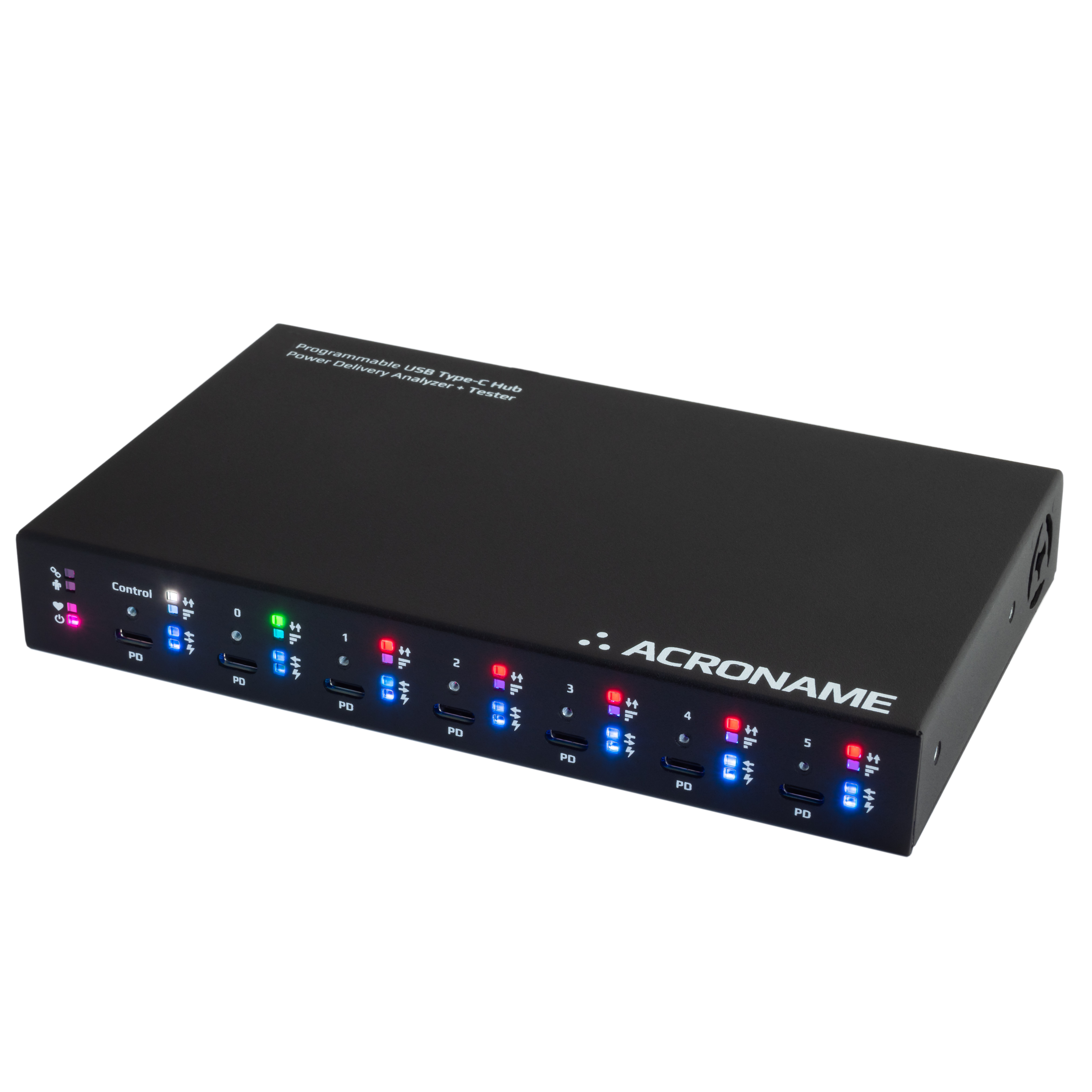
Maximizing Your Workspace: The Benefits of Using a USB Hub
In today's fast-paced digital world, maximizing your workspace has become more crucial than ever. A USB hub serves as a simple yet powerful tool for optimizing your setup. By allowing multiple devices to connect through a single USB port, it eliminates clutter and enhances efficiency. Instead of constantly swapping out devices, a USB hub consolidates your peripherals—such as keyboards, mice, and external drives—into one convenient location. This not only streamlines your workspace but also makes it easier to manage connections, providing a smoother user experience.
Moreover, the benefits of using a USB hub extend beyond mere convenience. With a well-organized workspace, you can improve your productivity significantly. Studies show that a clutter-free area promotes focus and creativity. Additionally, many USB hubs come equipped with fast charging ports, enabling you to keep your devices powered without sacrificing connection speed. Whether you're a professional needing to connect multiple monitors or a casual user looking to tidy up your desk, incorporating a USB hub into your setup can lead to enhanced performance and a more enjoyable working environment.
Counter-Strike is a popular first-person shooter game that has been a staple in the gaming community since its initial release in the late 1990s. The game involves two teams, terrorists and counter-terrorists, competing to complete objectives or eliminate the opposing team. Players can enhance their gameplay experience with various gadgets and tools, including Top 10 Travel USB C Hubs that help with connectivity while gaming on the go.
Choosing the Right USB Hub: Key Features to Consider
When it comes to choosing the right USB hub, there are several key features to consider to ensure it meets your needs. First and foremost, assess the number of ports available; a hub with multiple ports can accommodate various devices, such as keyboards, mice, and external drives. Additionally, consider the type of USB ports the hub offers. For instance, USB 3.0 ports provide faster data transfer speeds compared to USB 2.0, making them essential for high-performance devices.
Another important feature to evaluate is the hub's power supply. Some hubs are bus-powered, relying on the device they are connected to for power, while others come with an external power adapter, allowing them to power multiple devices simultaneously. Lastly, consider the build quality and design of the hub; a compact and portable hub may be preferable for users on the go, while a larger, more robust hub may be better suited for a permanent workstation setup.
Are You Plugged In? Troubleshooting Common USB Hub Issues
If you're experiencing connectivity issues with your devices, it could be that your USB hub isn't functioning properly. First, ensure that everyone is plugged in correctly. Check all the connections from your USB devices to the hub, and from the hub to your computer. Sometimes, a loose connection can lead to intermittent performance or complete failure to recognize devices. If everything appears to be in order, but issues persist, try connecting the USB hub to different USB ports on your computer to rule out any port-related problems.
Another common issue stems from power supply problems. If your USB hub has its own power supply, make sure it's connected and functioning. A powered hub can support more devices than a non-powered one, especially if you're using power-hungry peripherals like external hard drives. To further diagnose the issue, you can also disconnect all devices from the hub and reconnect them one at a time. This method can help identify if a specific device is causing the problems, allowing for targeted troubleshooting.