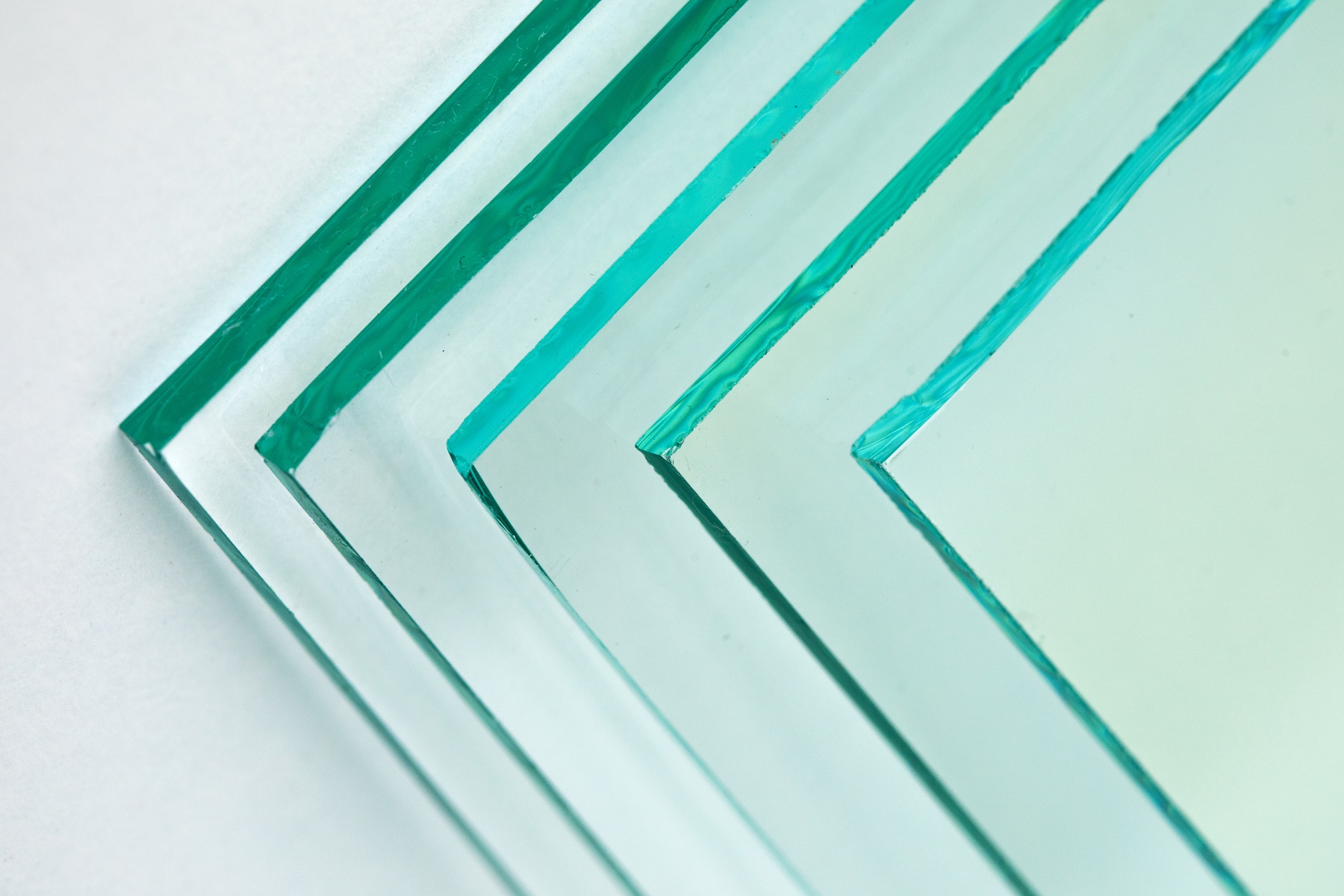
The Benefits of Tempered Glass in Modern Architecture
Tempered glass is becoming increasingly popular in modern architecture due to its numerous advantages over traditional glass. One of the most significant benefits is its enhanced strength; tempered glass is processed through controlled thermal treatment, which makes it approximately five to six times stronger than regular glass. This durability allows architects to design larger and more open spaces without compromising structural integrity. Additionally, tempered glass is highly resistant to thermal stress, making it ideal for environments that experience extreme temperature variations.
Another key benefit of tempered glass is its safety features. In the event of breakage, tempered glass shatters into small, blunt pieces rather than sharp shards, reducing the risk of injury. This characteristic makes it a preferred choice for both residential and commercial buildings. Furthermore, tempered glass can significantly enhance energy efficiency when used in windows and facades. By incorporating advanced coatings, it can minimize heat gain and loss, aiding in climate control and potentially lowering energy costs, making it an eco-friendly choice for modern architectural designs.
Counter-Strike is a popular multiplayer first-person shooter that has captivated gamers worldwide since its release. Players can engage in tactical gameplay as either terrorists or counter-terrorists, competing in various game modes. For those looking to enhance their gaming experience while protecting their devices, you might want to check out the Top 10 iphone privacy screen protectors to ensure your privacy is maintained even during intense matches.
How Tempered Glass Transforms Everyday Spaces
Tempered glass has revolutionized the way we design and interact with our everyday spaces, offering both style and functionality. Its enhanced durability and safety features make it a popular choice for various applications, from shower enclosures to balustrades. Unlike regular glass, tempered glass is treated through a heating and cooling process which increases its strength, making it less likely to shatter. This unique characteristic not only enhances the aesthetic appeal of a space but also boosts the confidence of homeowners and designers alike when incorporating this modern material into their interior and exterior design.
Furthermore, the versatility of tempered glass allows it to fit seamlessly into a myriad of environments. Whether you are aiming for a sleek, contemporary look in your kitchen with a glass backsplash or want to create an open and airy atmosphere in your living room with glass panel dividers, the possibilities are virtually endless. The use of tempered glass can also enhance natural light flow, making spaces appear larger and more inviting. In addition, its ease of maintenance and resistance to scratches make it a practical choice, confirming that **tempered glass** is not just a design element but a transformative component of modern architecture.
Is Tempered Glass the Future of Sustainable Design?
Tempered glass is rapidly gaining traction in the realm of sustainable design, thanks to its superior strength and durability compared to traditional glass. This innovative material is not only resistant to thermal shock but also offers enhanced safety features, making it an attractive choice for modern architecture. Its ability to be fully recycled at the end of its life cycle is a key factor in its sustainability appeal. As architects and designers seek to minimize their carbon footprint, integrating tempered glass into projects can significantly reduce materials waste and energy consumption.
Furthermore, tempered glass can contribute to energy efficiency in buildings. By incorporating this material, designers can optimize natural light while minimizing heat gain and loss, leading to reduced reliance on artificial heating and cooling systems. As sustainability becomes an imperative in the design industry, the adoption of materials like tempered glass paves the way for environmentally responsible construction practices. With its combination of aesthetics, functionality, and ecological advantages, tempered glass is indeed shaping up to be a cornerstone of the future in sustainable design.