How RFID Technology is Revolutionizing Retail Operations
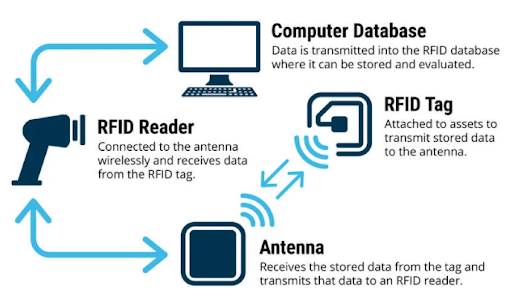
RFID technology is transforming the retail sector by enhancing inventory management and streamlining operational processes. Traditional barcodes require line-of-sight scanning, which can be time-consuming and inefficient. In contrast, RFID tags can be read from a distance, allowing for rapid scanning of multiple items simultaneously. This capability not only reduces checkout times but also aids in maintaining accurate stock levels. Retailers can now leverage real-time data generated by RFID systems to make informed decisions regarding inventory replenishment and product placement, ultimately boosting sales and customer satisfaction.
Moreover, the implementation of RFID technology fosters a seamless shopping experience for consumers. With the integration of RFID systems, retailers can offer features such as self-checkouts and automated inventory tracking. This minimizes human error while providing customers with instant access to information about products. According to recent studies, retailers who adopt RFID solutions see improved efficiency and significant cost savings. As the retail landscape continues to evolve, embracing RFID technology will be crucial for businesses looking to maintain a competitive edge and enhance their overall operational efficiency.
Counter-Strike is a popular first-person shooter game that has become a staple in competitive gaming since its release. Players engage in team-based matches, where they can choose to play as terrorists or counter-terrorists. The game features various maps and modes that offer different objectives and challenges. For those interested in gaming gear, you might want to check out Top 10 magsafe wallets to enhance your gaming setup.
The Future of Personal Security: RFID in Everyday Life
The future of personal security is rapidly evolving, with RFID technology playing a pivotal role in enhancing everyday life. Radio-Frequency Identification (RFID) allows for the wireless transmission of data through electromagnetic fields, making it an essential component in various security applications. From contactless payment systems to smart locks, RFID is becoming indispensable in how individuals protect their belongings and personal information. As more devices become interconnected in the Internet of Things (IoT), the reliance on RFID for personal security measures will only increase, providing convenience and peace of mind.
In everyday life, the implementation of RFID can be seen in multiple facets, including keyless entry systems, inventory management, and even public transportation. For instance, with RFID-enabled smartcards, users can access buildings with a simple tap, minimizing the need for traditional keys. Additionally, RFID tags are used in retail settings to improve inventory accuracy and reduce theft, thereby safeguarding assets. As we move forward, it is crucial to embrace these advancements while remaining vigilant about privacy and security implications, ensuring that the benefits of RFID in personal security are maximized without compromising personal data.
What You Need to Know About RFID Privacy Concerns
Radio Frequency Identification (RFID) technology streamlines processes across various industries, from inventory management to access control. However, as RFID becomes more prevalent, privacy concerns related to its use are garnering increased attention. One major issue is the potential for unauthorized scanning of RFID tags, which can lead to personal information being accessed without consent. Consumers need to be aware that their RFID-enabled products, such as credit cards and passports, may contain sensitive data that is vulnerable to data breaches.
Moreover, the lack of standardization in RFID technology raises additional privacy issues. Different industries may implement RFID systems in varied ways, leading to inconsistencies in how data is protected. For instance, while some RFID tags are designed with encryption and other security measures, others might not offer adequate protection. It is essential for consumers to educate themselves about the privacy implications of RFID technology and consider employing protective measures, such as RFID-blocking wallets and sleeves, to safeguard their personal information.