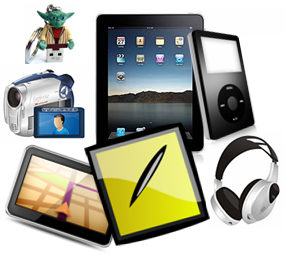
The Psychology Behind Gadget Addiction: Understanding Our Need for Technology
In today's fast-paced digital world, gadget addiction has become a significant concern for many individuals. This phenomenon can be largely attributed to the psychology behind our need for technology. Research indicates that gadgets are designed to trigger the brain's reward system, releasing dopamine—a neurotransmitter associated with pleasure and satisfaction. As a result, people find themselves increasingly dependent on their devices, constantly seeking the instant gratification that comes from notifications and social media interactions. Consequently, this cycle can lead to excessive screen time, resulting in detrimental effects on mental health, relationships, and productivity.
Moreover, the need for technology is often intertwined with our social behaviors and emotional well-being. For instance, gadgets facilitate connection in a way that transcends geographical barriers, making it easier to stay in touch with loved ones or engage with online communities. However, this constant connectivity can create an illusion of social interaction, leading to feelings of loneliness and isolation when we are not engaged with our devices. Understanding the underlying psychological factors driving gadget addiction is crucial for developing strategies to foster healthier technology habits, such as setting boundaries for screen time and being mindful of our emotional responses to gadget usage.
Counter-Strike is a highly popular tactical first-person shooter that emphasizes team-based gameplay and precise gun mechanics. Players can choose to join either the terrorist or counter-terrorist team, completing objectives such as bomb defusals or hostage rescues. For those looking to enhance their gaming experience beyond the screen, check out the Top 10 Accessories for Apple Watch Travel to make your gaming sessions more enjoyable while on the go.
Top 10 Gadgets We Can't Live Without: A Look into Our Modern Toys
In today's fast-paced world, technology has become an integral part of our lives, and the gadgets we use daily have transformed into essential tools that enhance our productivity and leisure. From smartphones that keep us connected to smart home devices that bring convenience to our fingertips, these modern toys have undeniably changed the way we live. Here’s a look at the top 10 gadgets we can't live without, showcasing their impact on our daily routines and how they help us navigate the challenges of modern life.
- Smartphones: Our lifelines to the world, smartphones allow us to communicate, browse, and stay organized.
- Laptops: Essential for work and creativity, laptops have become essential for professionals and students alike.
- Smartwatches: These wearable devices not only tell time but also track our health and notifications.
- Wireless Earbuds: Offering convenience and quality sound, they are perfect for music lovers and those on the go.
- Smart Speakers: With voice activation and smart home integration, they simplify everyday tasks.
- Tablets: A versatile gadget for both entertainment and productivity, especially for on-the-go tasks.
- Fitness Trackers: Helping users maintain health goals, these gadgets monitor physical activity and health metrics.
- Drones: Popular for both recreation and professional use, drones take aerial photography to new heights.
- Virtual Reality Headsets: Transforming gaming and experiences, VR provides immersive adventures.
- Portable Chargers: Ensuring our devices stay powered, these are a must-have for anyone reliant on technology.
Are We Too Dependent on Gadgets? Exploring the Pros and Cons of Our Tech Lifestyle
In today's digital age, it seems almost impossible to function without our gadgets. From smartphones to smartwatches, these devices have revolutionized the way we communicate, work, and socialize. On the one hand, gadgets offer unparalleled convenience and access to information, allowing us to connect with others instantly regardless of distance. They streamline tasks, making everything from grocery shopping to banking easier than ever. However, this heavy reliance on technology raises concerns about our dependency on these devices, leading us to question whether we are losing essential life skills and face-to-face interactions in the process.
Moreover, a lifestyle centered around gadget use brings with it both physical and mental health implications. Prolonged screen time can lead to issues like eye strain and poor posture, while constantly checking notifications can contribute to increased anxiety and decreased productivity. Should we consider setting boundaries on our tech usage? One approach might be introducing tech-free hours into our daily routines, allowing us to reconnect with our surroundings and foster more meaningful relationships. Ultimately, as we explore the pros and cons of our tech lifestyle, it becomes crucial to find a balance that promotes well-being without sacrificing the advantages technology provides.