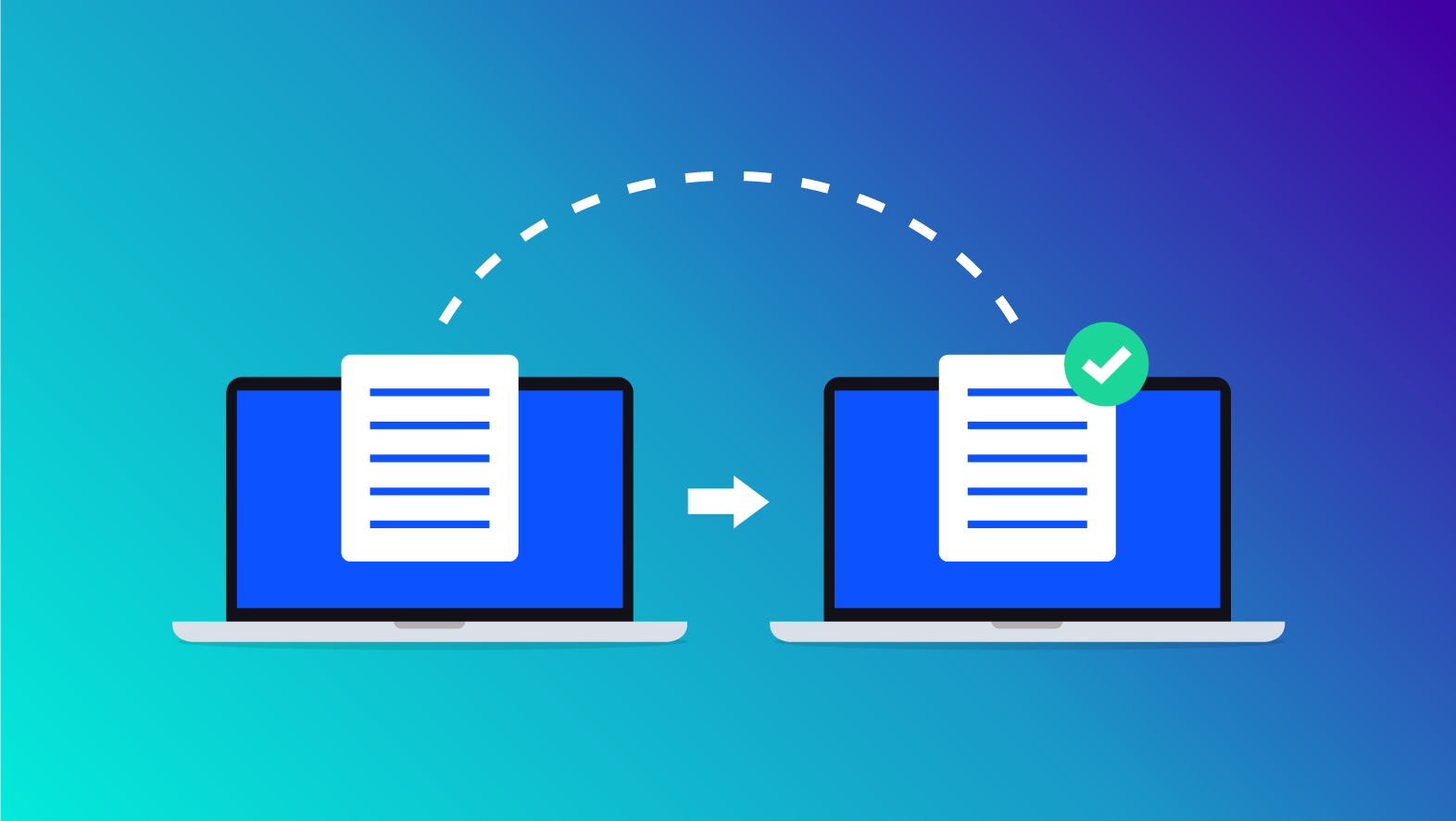
Understanding the Basics of Data Transfer: Key Concepts Explained
Understanding the basics of data transfer is crucial for anyone involved in technology, whether you are a developer, a business owner, or simply an internet user. At its core, data transfer refers to the process of moving data from one location to another. This can occur over various mediums including network connections, USB drives, or cloud services. Essential concepts to grasp include bandwidth, which measures the amount of data that can be transmitted in a given time, and latency, the delay before the data begins to transfer. Recognizing these terms will help you understand how data flows across the internet and how to optimize your data transfer processes.
Another important aspect of data transfer is the protocols involved. Protocols such as TCP/IP and FTP establish rules for data exchange, ensuring that the data sent is received accurately and efficiently. Encryption protocols also play a vital role in securing data during transmission, protecting it from unauthorized access. By familiarizing yourself with these foundational concepts and the technologies that facilitate data transfer, you can enhance your understanding of how information moves across digital landscapes and improve your data management strategies.
Counter-Strike is a popular series of multiplayer first-person shooter games that has captivated players since its inception. The game focuses on team-based gameplay where players assume the role of terrorists or counter-terrorists. For those looking to enhance their gaming setup, check out these Top 10 usb c accessories that can improve your overall experience. The strategic elements, combined with fast-paced action, make Counter-Strike a true staple in the esports community.
Top 5 Methods for Efficient Data Transfer Between Devices
Efficient data transfer between devices is essential in today's digital world, where speed and reliability are paramount. Here are the top five methods to ensure your data is transferred quickly and securely:
- Wi-Fi Direct: This method allows devices to connect directly via Wi-Fi without the need for a local network, enabling fast data transfers. Simply enable Wi-Fi Direct on both devices, and you can easily share files ranging from photos to large videos.
- Bluetooth: Although slower than Wi-Fi Direct, Bluetooth is still a popular choice for transferring smaller files. By making the devices discoverable and pairing them, you can transfer documents and images with ease, making it ideal for quick, low-bandwidth needs.
- Cloud Storage: Utilizing cloud storage services like Google Drive or Dropbox not only facilitates easy data transfer but also offers a backup solution. By uploading files to the cloud, you can access them from any device, ensuring seamless transfers across platforms.
- USB Connections: For larger files, a direct USB connection can provide the fastest and most reliable transfer speeds. Connecting devices with a USB cable eliminates any connectivity issues and ensures that the data transfer is secure.
- P2P File Sharing: Peer-to-peer file sharing services allow users to share files directly over the internet without the need for intermediary servers. This method can be highly effective for sharing large files while maintaining speed and efficiency.
Choosing the right method for your needs depends on the type of data being transferred and the devices in use. For instance, if you need to quickly send large video files, Wi-Fi Direct or USB connections may be your best options. On the other hand, for smaller files or when traveling, Bluetooth or cloud storage could offer the perfect balance of convenience and ease of use.
In conclusion, understanding the various methods available for efficient data transfer is crucial for enhancing productivity and ensuring data integrity. Whether you require immediate access to files or coordinated sharing between multiple users, employing the right technique can significantly improve your overall experience.
What Are the Best Practices for Secure Data Transfer?
Secure data transfer is essential in today's digital landscape, where data breaches can lead to significant financial and reputational damage. One of the best practices is to utilize encryption for data transmission. By encrypting data, you ensure that even if it is intercepted during transfer, unauthorized parties cannot access its content. Technologies such as SSL/TLS are commonly used to encrypt data sent over the internet. Additionally, implementing protocols like SSH for remote server access can provide secure communication channels, further reducing the risk of exposure.
Another crucial practice is to implement strong authentication methods. Utilizing multi-factor authentication (MFA) adds an extra layer of security, ensuring that only authorized personnel can access sensitive data. It’s also important to regularly update and patch software and systems involved in data transfer to protect against vulnerabilities. Finally, establish a comprehensive data transfer policy that outlines the procedures, compliance measures, and responsibilities for handling sensitive information. This not only ensures consistency but also promotes a culture of security awareness among employees.