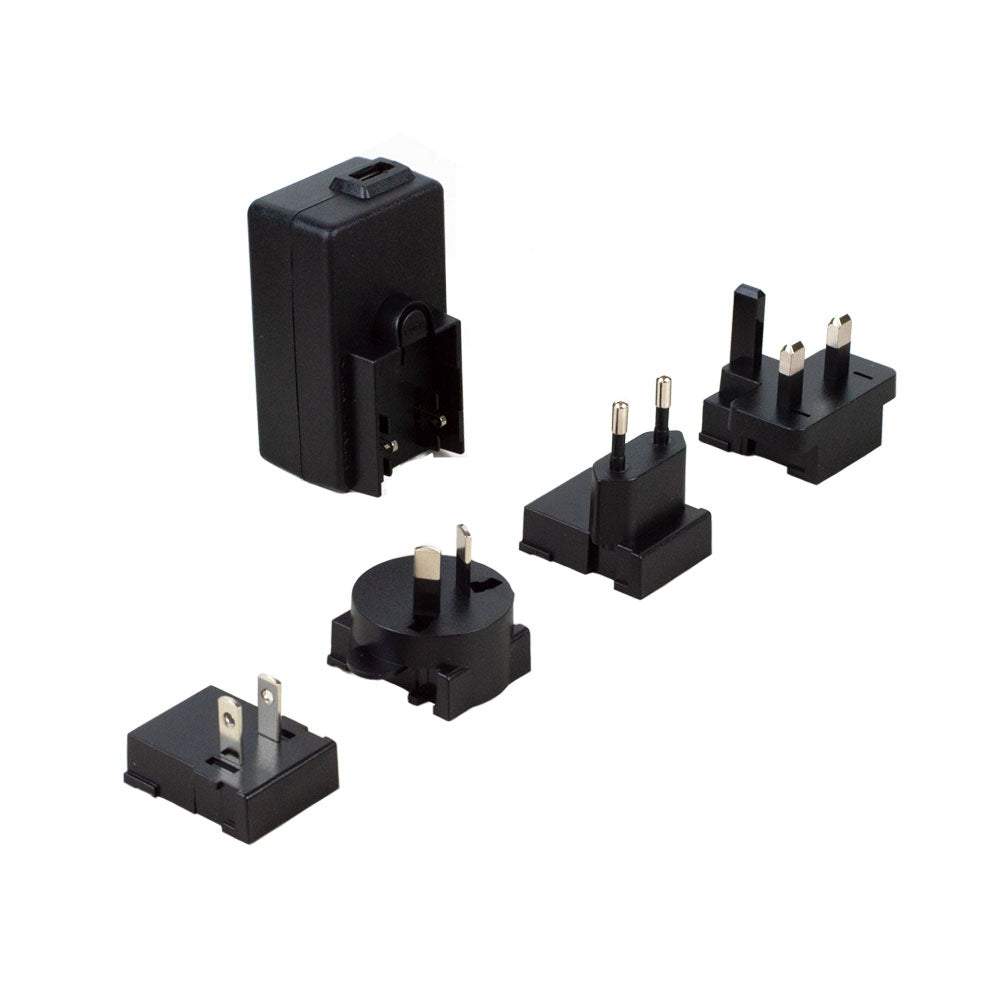
Understanding Voltage and Amperage: How They Affect Your Charging Speed
Voltage and amperage are fundamental concepts that significantly influence your device's charging speed. Voltage, measured in volts (V), refers to the electrical potential difference that drives electric current through a circuit. Amperage, or current, is measured in amperes (A) and indicates the flow of electric charge. When charging a device, the combination of voltage and amperage is crucial; devices are designed to accept a specific range of voltage and current. If the voltage is too low, the device may charge slowly or not at all; conversely, if the voltage is too high, it can damage the device. Therefore, understanding the specifications of your charger can help you maximize efficiency and ensure a safe charging experience.
Additionally, the relationship between voltage and amperage can be summarized using Ohm's Law: V = I × R, where V is voltage, I is current, and R is resistance. This equation demonstrates that if the voltage is increased while the resistance remains constant, the current will also increase. Consequently, chargers that deliver higher voltage and current can significantly enhance charging speed, allowing devices to recharge faster. It is essential to use compatible chargers and cables to avoid compromising safety. Always check the manufacturer's recommendations for optimal voltage and amperage to enjoy efficient and safe charging.
Counter-Strike is a popular tactical first-person shooter game that has influenced the esports landscape significantly. Players can choose between two teams, Terrorists and Counter-Terrorists, and engage in various objective-based scenarios. The game's strategy, teamwork, and skill requirements have made it a staple in competitive gaming culture, drawing millions of players worldwide. If you're looking for gaming gear, check out the Top 10 Car Chargers for Apple Watch to enhance your gaming experience on the go.
The Hidden Dangers of Cheap USB Chargers: What You Need to Know
In today's tech-savvy world, the allure of cheap USB chargers can be hard to resist. However, investing in these low-cost options can expose you to several hidden dangers that might endanger your devices and even your safety. Cheap USB chargers often lack the necessary quality control and safety certifications, making them more likely to overheat, short-circuit, or cause electrical fires. It's important to be aware of these risks as they can lead to irreparable damage to your devices or, in extreme cases, personal injury.
Moreover, many affordable chargers do not regulate voltage or current properly. This inconsistency can cause your smartphone, tablet, or other electronic devices to charge incorrectly, which can significantly shorten their lifespan or even render them unusable. To ensure you are safeguarding your electronics, consider using chargers from reputable brands, which are typically more expensive but offer better quality assurance and performance reliability. Always check for certification marks, such as UL or CE, that indicate adherence to safety standards.
Fast Charging vs. Standard Charging: Which is Best for Your Devices?
When deciding between fast charging and standard charging for your devices, it's essential to understand the differences in speed and efficiency. Fast charging technology allows devices to draw more power from the charger, enabling them to reach full capacity in a fraction of the time compared to standard charging. For instance, a device that typically takes 2 hours to charge with a standard charger may only need about 30-60 minutes with a fast charger. However, not all devices support this technology, so it’s crucial to check your device specifications to see if fast charging is compatible.
Another consideration when choosing between fast charging and standard charging is the long-term impact on your device's battery health. Some experts suggest that frequent use of fast charging may lead to increased heat production, potentially stressing the battery over time. This can shorten the lifespan of your device's battery. In contrast, standard charging, while slower, typically produces less heat and may be gentler on the battery. Ultimately, the best choice may depend on your usage patterns — if you often find yourself in a hurry, fast charging might be the best option, but if you prioritize the longevity of your battery, standard charging could be the way to go.