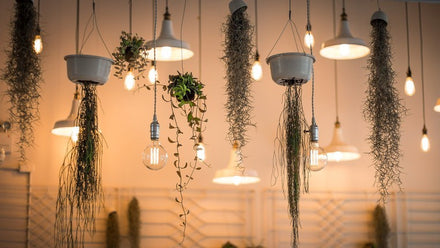
5 Unique Lighting Fixtures That Will Transform Your Room
When it comes to elevating the ambiance of your space, the right lighting fixture can make all the difference. Here are 5 unique lighting fixtures that will transform your room and captivate the attention of anyone who walks through your doors:
- Geometric Pendant Lights – These modern, eye-catching designs create a focal point in any area.
- Vintage Edison Bulbs – Perfect for adding a warm, nostalgic glow to your space, these fixtures blend charm with functionality.
- Sculptural Table Lamps – With their artistic designs, these lamps serve as both lighting and decor, adding personality to any surface.
- Chandeliers with a Twist – Opt for unconventional materials like wood or even fire to bring a unique flair to the traditional chandelier style.
- Smart LED Lights – Embrace technology with lighting that adjusts color and brightness through an app, allowing for a customizable atmosphere.
Investing in unique lighting can enhance not only the aesthetics of your room but also your overall mood. Incorporating these 5 unique lighting fixtures into your home can turn an ordinary space into an extraordinary retreat.
Counter-Strike is a popular tactical first-person shooter that emphasizes teamwork and strategy. Players can choose to play as terrorists or counter-terrorists, with objectives like bomb planting or hostage rescue. For those interested in gaming setups, check out the Top 10 Creator Desk Setups to enhance your gaming experience.
How to Use Layered Lighting to Create a Cozy Ambiance
Creating a cozy ambiance in your home is easier than you might think, and one of the most effective ways to achieve this is through layered lighting. This technique involves combining different types of lighting sources to enhance the warmth and atmosphere of any space. Start by incorporating ambient lighting as your base layer. This includes overhead fixtures like chandeliers or ceiling-mounted lights, which provide overall illumination. To add depth, consider integrating task lighting – such as table lamps or reading lights – in areas where you need focused light. Finally, accent lighting, like wall sconces or decorative LED strips, can highlight artwork or architectural features, giving an overall cozy feel to your room.
Once you have established your basic layers, it’s important to play with the intensity and color temperature of your lights. Opt for warm white bulbs (around 2700K) to create a snug and inviting environment. Additionally, use dimmers wherever possible. This allows you to adjust the brightness based on the time of day or specific mood you wish to set. Don't forget to incorporate natural lighting during the day by allowing sunlight to filter through your windows. By combining these strategies with layered lighting, you can effortlessly create a sanctuary perfect for relaxing after a long day.
Can Lighting Impact Your Mood? Exploring the Psychology of Light
Lighting plays a crucial role in shaping our environment and can significantly affect our mood and emotional well-being. Research has shown that different types of light—natural sunlight, soft warm tones, or harsh fluorescent lighting—can evoke various emotional responses. For instance, bright and invigorating light can boost energy levels and enhance focus, making it ideal for workspaces. Conversely, dim, soft lighting tends to create a calming atmosphere, perfect for relaxation in home settings. The psychology of light suggests that our brains are wired to respond to light in ways that can either uplift or suppress our spirits.
Moreover, the impact of lighting is not limited to physical spaces; it also plays a pivotal role in our daily routines. Consider how natural light during the day can improve mood and productivity, while the absence of light can lead to feelings of lethargy and sadness. Seasonal Affective Disorder (SAD), for example, is a condition that demonstrates the profound connection between light exposure and mood. To mitigate its effects, many turn to light therapy, utilizing artificial lights designed to mimic natural sunlight. Such measures underscore the importance of understanding how we can use lighting strategically to enhance our emotional health.